
Hard-to-Fit Contact Lenses in Boise: Finding Comfortable Vision Correction for Challenging Eyes
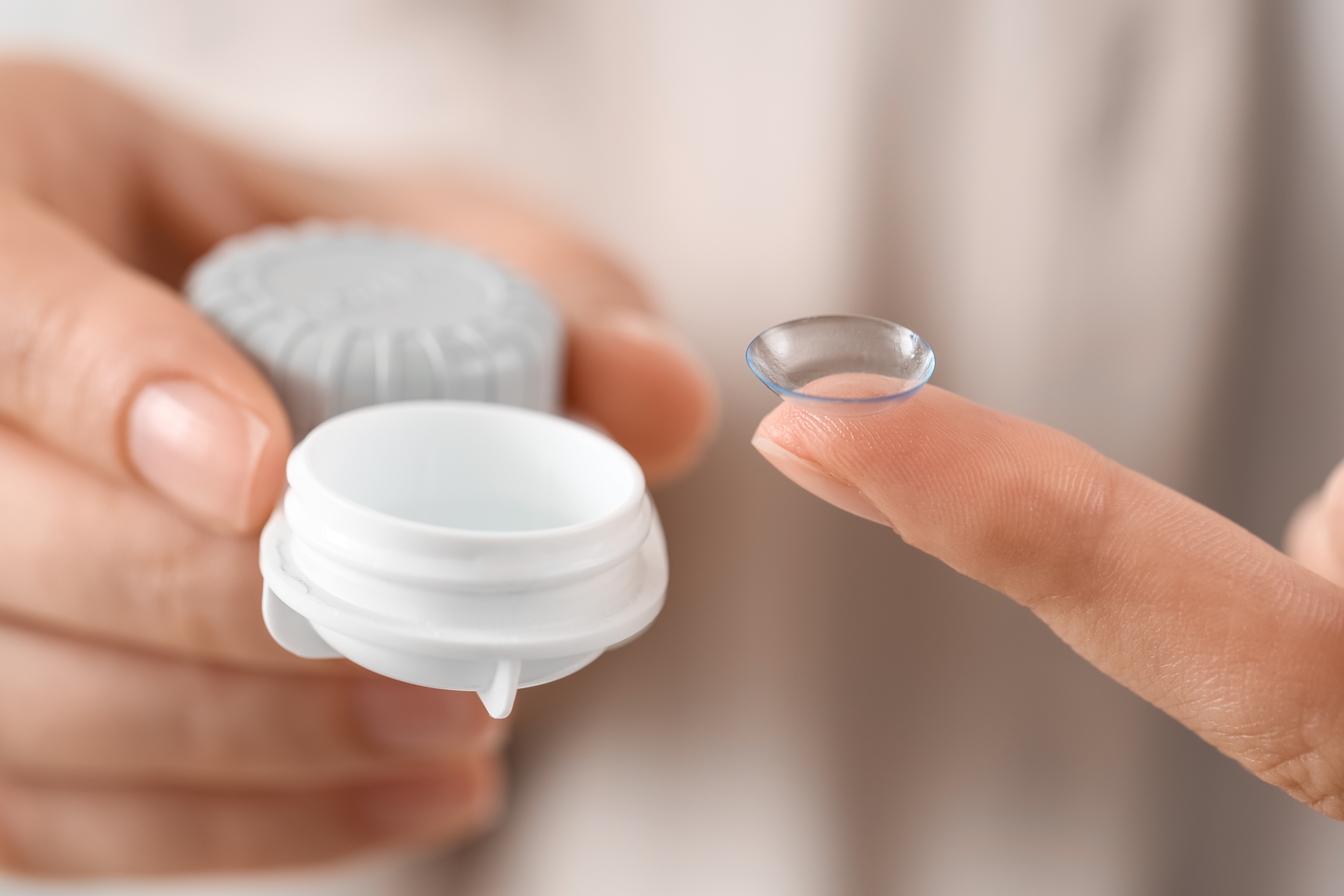
If regular contact lenses leave your eyes dry, irritated, or unable to see clearly, the problem may be the fit rather than contact lenses themselves. Certain eye conditions make standard lenses difficult to wear, but specialty designs may offer another option. At McNeel Eye Center in Boise, ID, we evaluate each patient's vision, eye health, and comfort needs to determine which contact lenses may work best.
What Makes Contact Lenses Hard to Fit?
Contact lenses need to match the shape of your eyes, provide clear vision, and remain comfortable throughout your recommended wearing time. When the cornea has an irregular shape or the eye's surface is irritated, standard soft lenses may not provide a reliable fit.
Common reasons someone may need hard-to-fit contact lenses include:
- Keratoconus: A thinning, irregularly shaped cornea can cause distorted vision that regular contacts may not fully correct.
- Dry eye disease: An unstable tear film can contribute to lens discomfort, burning, and fluctuating vision.
- Astigmatism: Higher or irregular astigmatism can make clear, stable vision more challenging with standard lenses.
- Presbyopia: Age-related changes in near focusing can create additional demands for contact lens correction.
- Changes after eye surgery: Some patients develop corneal irregularities that require a more individualized lens design.
Identifying the underlying issue is important because discomfort may call for dry eye treatment, a different contact lens material, a custom fit, or a combination of approaches.
Specialty Contact Lens Options for Challenging Eyes
There is no single lens that works for every hard-to-fit patient. Depending on your prescription and eye health, we may discuss several options.
Toric contact lenses are designed to correct astigmatism. Rigid gas permeable lenses provide a stable optical surface and can improve vision for some people with irregular corneas. Multifocal or bifocal contacts may help patients who need correction for both near and distance vision.
Scleral lenses are another important option. These larger specialty lenses rest on the white part of the eye and vault over the cornea. The fluid-filled space beneath the lens can improve optical clarity and may help some patients with irregular corneas or significant dry eye feel more comfortable.
What Happens During a Specialty Contact Lens Fitting?
A specialty contact lens fitting involves more than checking your glasses prescription. We assess your visual needs, examine the cornea and ocular surface, and evaluate how a trial lens fits and performs.
We also consider how the lenses feel during wear, whether your vision remains stable, and whether adjustments are needed. Some specialty contacts require multiple visits to refine the fit. We provide guidance on insertion, removal, cleaning, and follow-up care so you can use your lenses safely.
When Should You Consider a Different Contact Lens Fit?
If your contacts repeatedly shift, feel gritty, cause redness, or leave your vision inconsistent, an evaluation can help identify the cause. Do not continue wearing a lens that causes pain or significant redness. Some symptoms require prompt eye care rather than simply changing lens types.
If traditional contacts have not provided the clarity or comfort you need, schedule a hard-to-fit contact lens evaluation with McNeel Eye Center in Boise, ID, or call (208) 938-2010 to discuss your options.
Helpful Articles
article_category: restorative
article_category: vision therapy
article_category: contact lenses
article_category: health
article_category: conditions
article_category: eye surgery co-management
article_category: exotic
article_category: cosmetic
article_category: products
article_category: psychiatry
article_category: faqs
article_category: cats
article_category: general
article_category: services
article_category: technology
article_category: dogs
article_category: surgical procedures
article_category: aesthetics
article_category: preventative
article_category: ocular disease management
article_category: eyeglasses
article_category: eye health
article_category: large animal
[]
Flowbite is an open-source library of interactive components built on top of Tailwind CSS including buttons, dropdowns, modals, navbars, and more.
Check out this guide to learn how to get started and start developing websites even faster with components on top of Tailwind CSS.
All Eye Care Services
Find personalized eye care excellence with our comprehensive services. From eye exams to advanced diagnostics, trust us for all your vision needs.
Keep In Touch
For non-urgent questions or to learn more about our services, contact us today!
© 2026 McNeel Eye Center. All rights Reserved - Accessibility Statement - Privacy Policy - Sitemap
Managed and Designed by 